
Tag Archives: GPU colocation
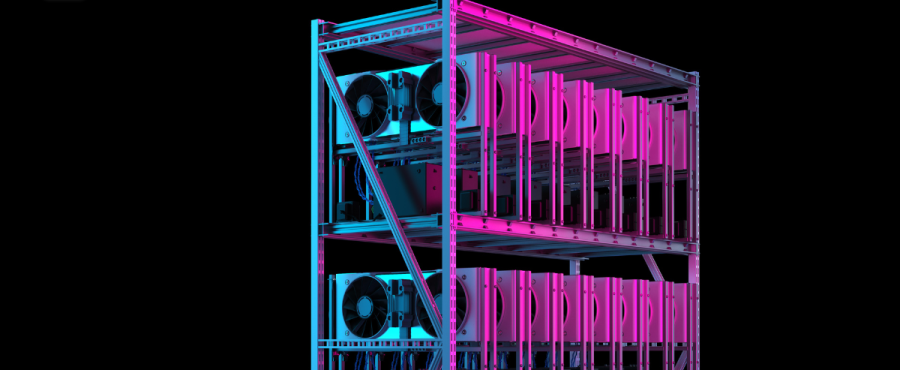
GPU Colocation Pricing Guide (2026):
GPU Server Colocation Costs, Models, and What You’ll Really Pay
GPU colocation pricing can feel confusing at first, especially if you are budgeting for AI infrastructure and high-performance computers. GPU server colocation is different from standard colocation because power and cooling, network throughput, and data center design usually matter more than physical rack space. Many providers offer a starting number, but your real monthly bill comes from power commitments, GPU pricing considerations, bandwidth plans, and support services that keep your deployment stable. The good news is that once you understand the core cost drivers, you can compare colocation facilities and quotes with confidence. In this guide, Lightwave Networks explains how GPU colocation works, how colocation pricing models are structured, and what to ask before choosing colocation services in Massachusetts or Dallas.
GPU-heavy environments are becoming more common as businesses run AI workloads, machine learning, deep learning, and advanced analytics at scale. That shift has made colocation data center pricing more sensitive to efficiency, density, and infrastructure quality, not just the amount of data center space you rent. Many businesses need internet servers for businesses that can deliver reliable performance with low latency, especially for AI applications and high-performance computing. That is why modern GPU colocation is designed to accelerate compute, optimize inference, and support AI training workloads without performance drops. Lightwave Networks supports GPU colocation services in Massachusetts and Dallas using next-gen data centers built for high-density workloads and secure hosting and data needs.
What GPU Colocation Pricing Includes: The 5 Core Components
When you request a GPU server colocation quote, providers usually start by confirming how much colocation data center space you need. You may rent a few rack units, a half cabinet, a full cabinet, or high-density racks, depending on the size of your GPU server setup. Space matters, but it is rarely the biggest pricing factor in GPU colocation because GPUs are power-heavy and generate more heat than standard internet servers. Some providers price space per rack, while others bundle it into a cabinet plan with security and compliance included. Lightwave Networks helps you size your footprint correctly so you get the right data center environment without paying for extra space you will not use.
Power and cooling are the biggest pricing drivers for GPU colocation, especially for high-performance GPU deployments and large-scale AI workloads. Providers may charge per kilowatt, per circuit, or based on a committed power allocation, and you can face overage penalties if your GPU power needs grow faster than expected. This is where GPU pricing and infrastructure pricing overlap, since upgrading to newer NVIDIA GPUs can increase power draw and change your cooling capacity needs. High-density colocation often requires advanced cooling and power and cooling infrastructure that can support dense hardware without overheating. Lightwave Networks plans redundant power and cooling capacity, so your GPU server colocation costs stay stable as you scale.
Bandwidth and connectivity are also critical for GPU colocation, especially for AI training, data analytics, and high-performance computing workloads that involve heavy data transfers. Some providers offer fixed-rate bandwidth tiers, while others use metered pricing, which can increase costs when your AI data spikes during training cycles. If your workload includes frequent movement of datasets, models, or logs, usage-based bandwidth can become a surprise cost if you do not plan ahead. Many teams also want direct connections to cloud providers, which improves speed and reduces risk during hybrid deployment. Lightwave Networks offers colocation solutions with strong internet services designed for reliable throughput and low latency.
Cross-connects are another key line item, especially if you connect to multiple carriers or build colocation for AI with cloud on-ramps. A cross-connect is a direct physical connection from your cabinet to another provider, network, or partner inside the colocation data center. These are usually billed as a one-time installation fee plus a monthly charge per connection, and costs increase as your AI infrastructure grows. Cross-connects often improve security and compliance by keeping traffic off the public internet while reducing latency for training and inference workloads. They also support disaster recovery planning by letting you route traffic to secondary systems quickly. Lightwave Networks provides clear cross-connect pricing and helps you plan connectivity that supports your deployment from day one.
Many GPU colocation environments also require support services that can raise costs, but improve uptime and long-term cost savings. Remote hands is the most common add-on, covering things like reboots, cable swaps, equipment checks, and troubleshooting for GPU servers and high-density racks. Some providers charge per hour with minimum blocks, while others offer managed colocation hosting with bundled monitoring and response coverage. For companies running cutting-edge AI applications, downtime is often more expensive than support, especially during AI training and inference windows. Lightwave Networks offers GPU colocation services with flexible support options so your deployment stays stable without adding extra staffing pressure.
Colocation Pricing Models: Including GPU Server Colocation
Understanding colocation pricing models is essential because GPU server colocation is often priced differently than standard colocation. Per-U pricing is sometimes available, but it is less common for GPUs because high-density colocation needs stronger power and cooling and better airflow management. Cabinet-based pricing is more typical, and it usually includes space plus a defined power commitment that supports high-performance compute. Power-based pricing is also common for GPU colocation because energy use and cooling systems are the main constraints, not rack units. Lightwave Networks uses transparent colocation solutions so customers can see where space, power, bandwidth, and services are driving total cost.
Per-U GPU colocation can work for small footprints, especially if you are testing one GPU server for data analysis, analytics, or early AI inference. This model lets you rent only what you need, which is useful for a limited workload or a pilot deployment with a controlled budget. The challenge is that per-U pricing can become expensive as you add more GPUs, especially once you need redundant power and higher bandwidth tiers. It can also limit your ability to optimize airflow, since your equipment may share a rack with other customers. Lightwave Networks supports smaller GPU colocation services while helping teams plan for an easy move into cabinets when they scale.
Cabinet pricing is the most common GPU server colocation model for businesses that want predictable scaling and better cooling capacity control. Instead of paying per U, you pay for a full cabinet that supports high-density racks, better cable management, and clearer security and compliance boundaries. This structure is better for AI workloads because GPU clusters need stable power and cooling infrastructure to avoid throttling during AI training workloads. Full cabinets also help with data protection and compliance requirements, especially if you handle sensitive data like customer records or proprietary AI model weights. Lightwave Networks offers scalable cabinets in Massachusetts and Dallas, built to support high-performance computing needs and growth.
Power-based pricing is especially important for GPU colocation because your monthly bill often follows your energy footprint. In many colocation facilities, you pay for a committed kW allocation, and the data center operator designs power and cooling infrastructure around that commitment. If you exceed your committed level, you may pay overage fees or be required to upgrade circuits, which can slow down your ability to deploy AI quickly. This is why a guide to pricing GPUs should include facility costs, since GPUs with higher compute performance often require stronger power and cooling capacity. Lightwave Networks helps customers estimate GPU power accurately and build plans optimized for NVIDIA hardware when needed.
Bandwidth-based pricing can also change GPU colocation economics quickly, especially for AI training and inference workloads that move large datasets. Metered bandwidth can get expensive when you run frequent data transfers, especially when training jobs pull data from multiple sources or send outputs to teams and customers. Fixed-rate bandwidth tiers are easier to budget for, but your plan must match your workload so you do not throttle compute performance. Businesses also need reliable internet services with redundancy to protect uptime during mission-critical deployments. Lightwave Networks supports high-throughput connectivity options designed for AI colocation, hybrid setups, and high-performance workloads.
Real-World GPU Colocation Cost Ranges: Examples You Can Budget With
GPU colocation cost ranges vary widely because pricing depends on high-density power needs, cooling systems, bandwidth, and facility quality. A small GPU server colocation setup may start similar to standard colocation at first, but costs rise quickly as GPU power increases and power and cooling demands become heavier. Full cabinets built for high-performance GPU hardware tend to be priced higher than general-purpose cabinets, especially when you require advanced cooling and strong redundant power. Private cages can cost more due to dedicated space, enhanced security and compliance features, and build-out requirements. Lightwave Networks provides realistic pricing guidance for Massachusetts and Dallas so you can budget before you sign.
A small business GPU deployment may include a 4U to 10U footprint with one GPU server, networking gear, and secure internet services to support data analytics or machine learning. This profile is common for teams testing AI solutions, running analytics, or doing inference in production with a controlled workload. The biggest cost driver is often power and cooling, since even a single high-performance GPU server can draw significant energy and generate heat. Bandwidth also matters if you move AI data frequently, especially when syncing to AI cloud platforms or distributed teams. Lightwave Networks helps smaller businesses build colocation for AI that supports growth while keeping cost savings in view.
A growth-stage AI business often moves into a half rack or full cabinet because it supports a GPU cluster and stronger airflow management. This profile may include multiple GPU servers, redundant power supplies, high-speed switching, and cross-connects to cloud providers for hybrid deployment. Costs rise when you add multiple connections, upgrade to higher bandwidth tiers, or expand managed colocation support for 24/7 monitoring. Businesses in this stage should plan 12 to 24 months ahead, since scaling too quickly can cause supply chain delays for GPUs and power upgrades. This is also where a GPU comparison chart becomes useful, because it helps you understand GPU pricing and choose the right compute for your workload. Lightwave Networks helps growing teams gain a competitive edge with scalable GPU server colocation that supports expansion without surprise costs.
High-density GPU colocation deployments are often the most expensive because power and cooling capacity become the main constraints. These setups may include large-scale AI clusters, multiple high-density racks, and storage systems designed for AI training and inference workloads. Facilities may require advanced cooling systems like liquid cooling, stronger circuits, and upgraded data center infrastructure to support consistent performance. Bandwidth needs are often high as well, especially for AI applications that move data across regions or integrate with AI cloud services. Without careful planning, high-density colocation can trigger overages and performance bottlenecks that slow down your deployment. Lightwave Networks supports high-density GPU colocation services with modern infrastructure and planning guidance that helps protect uptime and cost control.
How to Calculate GPU Colocation Pricing: Simple Estimator
A simple way to estimate GPU colocation costs is to break your budget into space, power, bandwidth, cross-connects, and service add-ons. Start with the cabinet or rack plan, but treat power and cooling as the main cost driver since GPUs often run at high utilization for training and inference workloads. Next, estimate bandwidth needs based on your data transfers, including whether you need fixed-rate tiers or metered usage. Add cross-connect fees if you plan to connect to cloud providers or multiple carriers inside the colocation data center. Lightwave Networks can help you estimate the real monthly cost, so your quote matches your workload and growth plan.
To make your estimate more accurate, collect a few key data points before requesting quotes. First, measure real power draw, not just the equipment label, since actual usage changes with compute intensity and workload mix. Second, forecast growth for 12 to 24 months, including new GPUs, upgraded NVIDIA systems, and increased AI training workloads. Third, decide how much redundancy you need, since dual feeds and redundant power protect uptime but can raise costs. Fourth, plan your support needs, especially if your team is not local to the first data center you choose. Lightwave Networks helps customers build these assumptions so their GPU colocation budget stays accurate as infrastructure expands.
If you are building a guide to pricing GPUs, connect GPU pricing to facility costs so you understand the total cost of ownership. Newer GPUs can accelerate performance and support cutting-edge AI applications, but they can also increase GPU power draw and require stronger power and cooling infrastructure. That means your monthly GPU colocation bill reflects both your GPU choices and the data center infrastructure needed to host them safely. A good estimate includes hardware cost, hosting costs, and the operational needs that keep your systems stable. This also helps you understand GPU resources at a deeper level, since efficiency often matters as much as raw speed. Lightwave Networks can help you build a plan optimized for NVIDIA deployments while keeping facility costs predictable.
Hidden Fees in GPU Server Colocation Agreements: Avoid Budget Surprises
Hidden fees are one of the biggest risks in GPU server colocation because high-density colocation can trigger overages quickly. Power overage fees are the most common problem, especially when your committed allocation no longer matches real workload demands. Some providers also charge setup fees for cross-connects, security badges, cage build-outs, and installation support that can add significant first-year costs. Remote hands can become expensive if the provider charges minimum time blocks, urgent response fees, or after-hours premiums. Lightwave Networks calls out these costs clearly so your GPU colocation plan stays predictable and easy to manage.
Bandwidth charges can also create unexpected costs in GPU colocation, especially if your plan is metered or billed on peak usage. This matters for AI training, AI inference, and analytics workloads that move large datasets and produce heavy outbound traffic. IP address pricing and security and compliance add-ons can also increase monthly charges, especially for teams with strict compliance requirements. Contract terms may include early termination penalties or renewal increases, so it is important to understand the long-term pricing structure. You should also confirm whether disaster recovery services or secondary deployment options are available and how they are priced. Lightwave Networks provides clear contracts and pricing so you can plan with confidence and avoid surprises.
Why GPU Colocation Pricing Varies So Much: The Economics Behind It
GPU colocation pricing varies because data centers have very different operating costs based on location and data center infrastructure quality. Electricity pricing is one of the biggest drivers, and it can vary significantly between regions, which affects power and cooling costs. Real estate also impacts pricing, especially in high-demand areas with limited colocation facilities and strong market demand. Carrier ecosystems matter too, since AI data centers with more network choices often provide better performance and lower latency options. Facility age and data center design affect pricing because newer, more efficient systems support high-density workloads more reliably. Lightwave Networks helps customers compare these factors when choosing between Massachusetts and Dallas.
Power density is another reason pricing changes so much between deployments. A cabinet of standard internet servers is easier to cool than a cabinet packed with GPUs running continuous high-performance computers. This is where advanced cooling and cooling capacity become critical, because poorly planned airflow can lead to throttling and stability issues. Efficiency matters too, since it impacts long-term operating costs and performance reliability. Redundancy levels also affect cost because additional backup systems, redundant power, and security controls require more infrastructure. Lightwave Networks builds colocation solutions that balance cost savings, performance, and reliability, so you can scale without paying for unnecessary capacity.
GPU Colocation vs. Cloud vs. On-Prem: Cost Perspective
Many businesses compare GPU colocation to AI cloud services and on-prem setups before making a decision. Cloud is fast to start, but GPU pricing can rise quickly due to usage rates, AI data movement, and outbound transfer fees. On-prem can work at a small scale, but it becomes expensive when you factor in power and cooling, physical security, staffing, and ongoing upgrades. GPU server colocation offers a middle path because you own the hardware while using secure colocation facilities designed for high-performance computing. It also supports stable internet services and carrier choice, which is harder to replicate on-prem. Lightwave Networks helps businesses choose the best approach based on workload, budget, and long-term growth.
GPU colocation is often more cost-effective than cloud when you run steady AI training and inference workloads and need predictable performance. Cloud is a better fit for burst compute, short-term experiments, or teams that want to avoid hardware ownership entirely. Many companies use a hybrid model, keeping consistent compute capacity on GPU colocation while using cloud providers for peak demand. This can reduce monthly spend while still allowing fast scaling when needed. It also helps with sensitive data management, since some workloads require stricter control of data protection. Lightwave Networks supports hybrid deployments with reliable connectivity and scalable infrastructure that keeps performance consistent.
How to Get Accurate GPU Colocation Pricing Quotes: What to Ask Providers
To get accurate GPU colocation quotes, ask questions that reflect high-density colocation needs. Start by asking how power is billed, whether it is committed, metered, or packaged, and what happens when your usage grows. Ask whether the facility is optimized for NVIDIA deployments and whether the power and cooling infrastructure supports training and inference workloads at scale. Next, ask about bandwidth tiers, latency expectations, and whether the colocation data center can support the throughput your AI workload requires. You should also ask for a list of cross-connect fees, including one-time and monthly charges, since AI infrastructure often depends on cloud connectivity. Lightwave Networks provides detailed quotes that cover the full cost picture, not just a starting price.
You should also ask about cooling systems and data center infrastructure design, since GPU server colocation depends on stable heat management. Ask whether liquid cooling or advanced cooling options are available and how they affect pricing. Request details about security and compliance, access control, monitoring, and support response times, especially if you handle sensitive data or regulated workloads. Ask about managed colocation options, remote hands pricing, and service availability during weekends or late nights. Finally, ask about the data center operator’s upgrade and expansion process so you know how scalable the facility is over time. Lightwave Networks supports customers with modern colocation facilities and clear answers, so your deployment stays stable as you grow.
Building Your Own GPU Colocation Comparison Chart
A GPU comparison chart is one of the best ways to connect hardware decisions to GPU colocation costs and performance. Your chart should list GPU models, GPU power draw, expected compute performance, and whether each option fits AI training, inference, or data analytics best. You should also include pricing ranges and note how hosting costs change when you move to higher wattage and higher-density racks. If you want to understand GPU choices fully, include notes on workload fit, utilization targets, and how quickly you plan to upgrade. This makes it easier to avoid buying a GPU that looks affordable upfront but becomes expensive to run in a data center environment. Lightwave Networks can help translate GPU comparison chart details into a practical colocation plan.
Ready to Build a GPU Colocation Plan With Lightwave Networks?
GPU colocation is easier to manage when you understand how colocation pricing models, power and cooling, bandwidth, and services work together. The best approach is to plan around high-density needs first, then build scalable connectivity, support, and security and compliance around your workload. When you compare colocation services, look for a provider that can support deploying AI at scale, protect data protection goals, and reduce latency across critical systems. Lightwave Networks delivers GPU server colocation in Massachusetts and Dallas with secure colocation facilities, strong internet services, and data center infrastructure built for high-performance workloads.
Contact us today to request a GPU colocation quote and learn how our colocation solutions can help you gain a competitive edge. If you want to learn more, we invite you to read some of our other articles covering our wide range of services today.